From Ancient Recipes to Contemporary Creations in the Heart of Yerevan

CUISINE
by The 782 Restaurant
Armenian cuisine is one of the world’s oldest culinary traditions, shaped by thousands of years of history, geography, and culture. It is a cuisine that tells stories — of mountains and valleys, vineyards and orchards, bustling markets, and the warm hospitality of families who have passed down recipes through generations.

At the heart of Armenian gastronomy is respect for simple, fresh, and seasonal ingredients. Vegetables, herbs, fruits, grains, and nuts take centre stage, often prepared in ways that enhance their natural flavours. Traditional dishes such as tolma (stuffed vine or cabbage leaves), harissa (a slow-cooked wheat and chicken porridge), and ghapama (pumpkin filled with rice and dried fruits) are not only delicious but also deeply symbolic of Armenian culture and celebrations.

Bread has a sacred place at the Armenian table. Lavash, the thin, soft flatbread recognised by UNESCO as intangible cultural heritage, is baked in clay ovens called tonirs and accompanies almost every meal. Sharing lavash is seen as a gesture of friendship and unity.
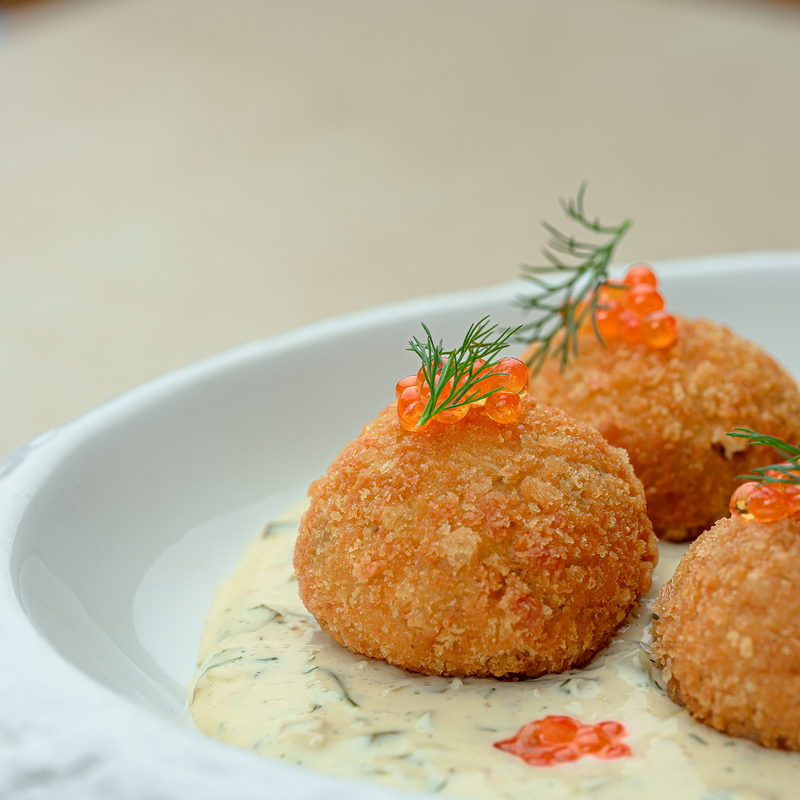
Armenia is also home to one of the world’s oldest winemaking traditions. Archaeological evidence indicates that wine production began here over 6,100 years ago. Today, the country boasts more than 500 indigenous grape varieties, offering wine lovers a unique journey through its five distinct wine regions.
Lavash, the thin, soft flatbread recognised by UNESCO, accompanies almost every meal – a gesture of friendship and unity
Whether enjoyed at a family gathering, a festive celebration, or in a modern restaurant, Armenian cuisine reflects a balance of authenticity and creativity. It is a living heritage — a taste of Armenia’s soul, where every dish carries the warmth of its people and the richness of its land.
About 782
782 is more than a restaurant — it is a celebration of Armenia’s timeless flavours in a contemporary way. Located in the heart of Yerevan’s Cascade, the new Yerevan cuisine restaurant was created to honour the city’s foundation year, 782 BC, when the ancient fortress of Erebuni was established.
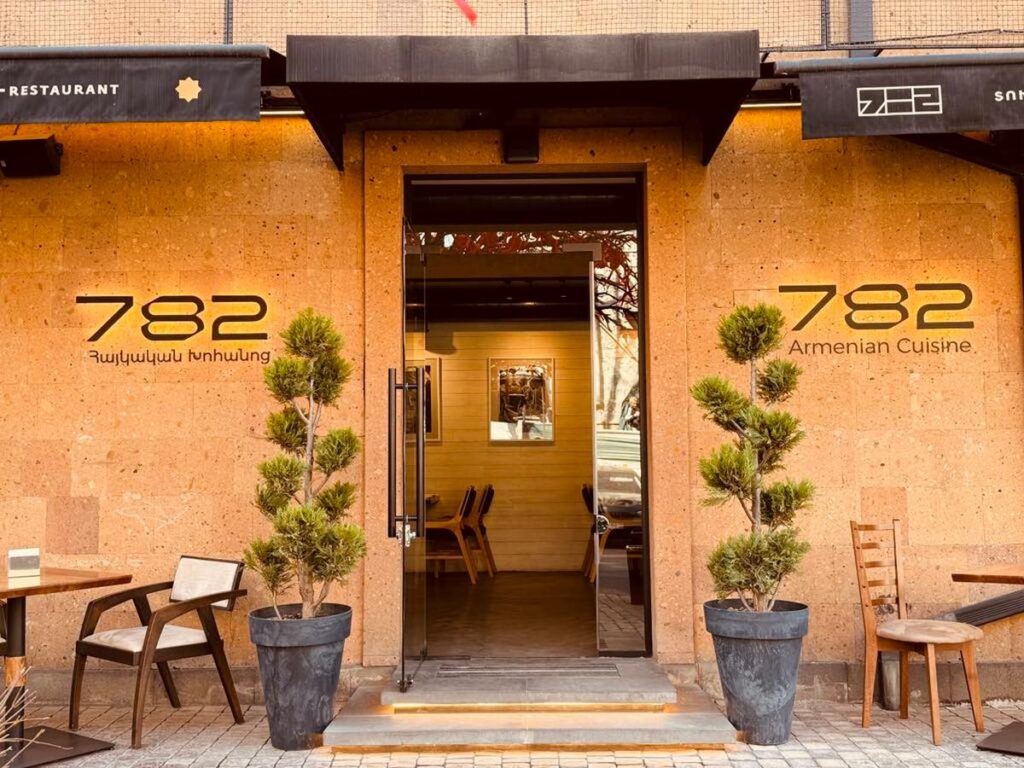
At 782, everything begins with local products — carefully selected from Armenian farmers, vineyards, and producers. This philosophy ensures that every dish is authentic and fresh. Our menu reimagines Armenian classics with creative twists, such as grape leaves tempura, Garni Yarak lasagna, and qufta with pistachio and cheese sauce. Each dish is thoughtfully paired with an Armenian wine, highlighting the richness of the country’s indigenous grape varieties and five unique wine regions.
Among our most celebrated creations is the “Smoking Woman” dessert, inspired by the famous statue by Colombian artist Fernando Botero, located right in the Cascade where our restaurant stands. This dessert is both a culinary masterpiece and a playful nod to Yerevan’s art scene, making it a must-try favourite for every guest.
Our concept, 782, combines tradition and innovation: bringing the soul of Armenia to the table, while presenting it in a way that resonates with today’s world.
The creative force behind 782 is our chef, who not only honours Armenian culinary heritage but also introduces a new philosophy of dining. One of his unique approaches is the careful control of calories in each dish. Guests can enjoy a full Armenian journey — from appetisers, salads, and soups, to main courses and desserts — without ever feeling uncomfortably full.
This balance allows visitors to savour the depth of flavours and the variety of Armenia’s cuisine in one sitting, while keeping the dining experience light, elegant, and memorable.
The idea of 782 New Yerevan cuisine was born as a “piece of Yerevan,” reflecting the city’s vibrant spirit, its traditions, and its future.
Text and photos: The 782 Restaurant
Traditional Recipe Ghapama
Stuffed Pumpkin with Rice and Dried Fruits
Ghapama is a traditional celebratory dish, often prepared during holidays and family gatherings. Its colourful filling and sweet aroma symbolise abundance and joy.

Ingredients:
- 1 medium pumpkin (cleaned, seeds removed)
- 2 cups rice
- ½ cup dried apricots, chopped
- ½ cup raisins
- ½ cup prunes, chopped
- ½ cup walnuts or almonds, chopped
- 2–3 tbsp honey
- 2 tbsp melted butter
- ½ tsp cinnamon
- Pinch of salt
Preparation:
- Rinse rice and boil until half-cooked. Drain.
- In a bowl, mix rice with dried fruits, nuts, honey, butter, cinnamon, and salt.
- Fill the cleaned pumpkin with the rice mixture, leaving some space at the top.
- Cover the opening with the pumpkin’s lid and bake in the oven at 180°C for about 1.5–2 hours, until the pumpkin is tender.
- Slice into wedges and serve warm.